
The conversation began the way many do—light, casual, almost incidental.
Weather delays had disrupted travel plans. Work commitments were piling up. A few media appearances were underway, bringing excitement alongside exhaustion. On the surface, everything looked productive, even successful.
But beneath that momentum was strain.
When Productivity Becomes a Coping Mechanism
Her professional life was moving fast. New projects required building teams from the ground up, coordinating schedules, and making rapid decisions under pressure. She thrived in high-responsibility environments—but the cost was becoming harder to ignore.
The workload wasn’t just about ambition. It was about control.
Past experiences had taught her that if she didn’t handle things herself, they might fall apart. Trust felt risky. Delegation felt unsafe. So she carried more than was reasonable, telling herself it was temporary—just until things stabilized.
They rarely do.
Control, Trust, and the Illusion of Safety

A central theme emerged: people often overwork not because they love the work, but because it gives them a sense of certainty.
Control becomes a shield.
Busyness becomes protection.
Responsibility becomes identity.
Letting go, on the other hand, feels like risk—even when it’s healthy.
She acknowledged this pattern easily. Changing it felt harder
The Savior Pattern
Another layer surfaced: the tendency to fix, rescue, and step in before others fail.
In both work and relationships, she often found herself absorbing responsibility that didn’t belong to her. Problems came to her because she solved them. People relied on her because she allowed it.
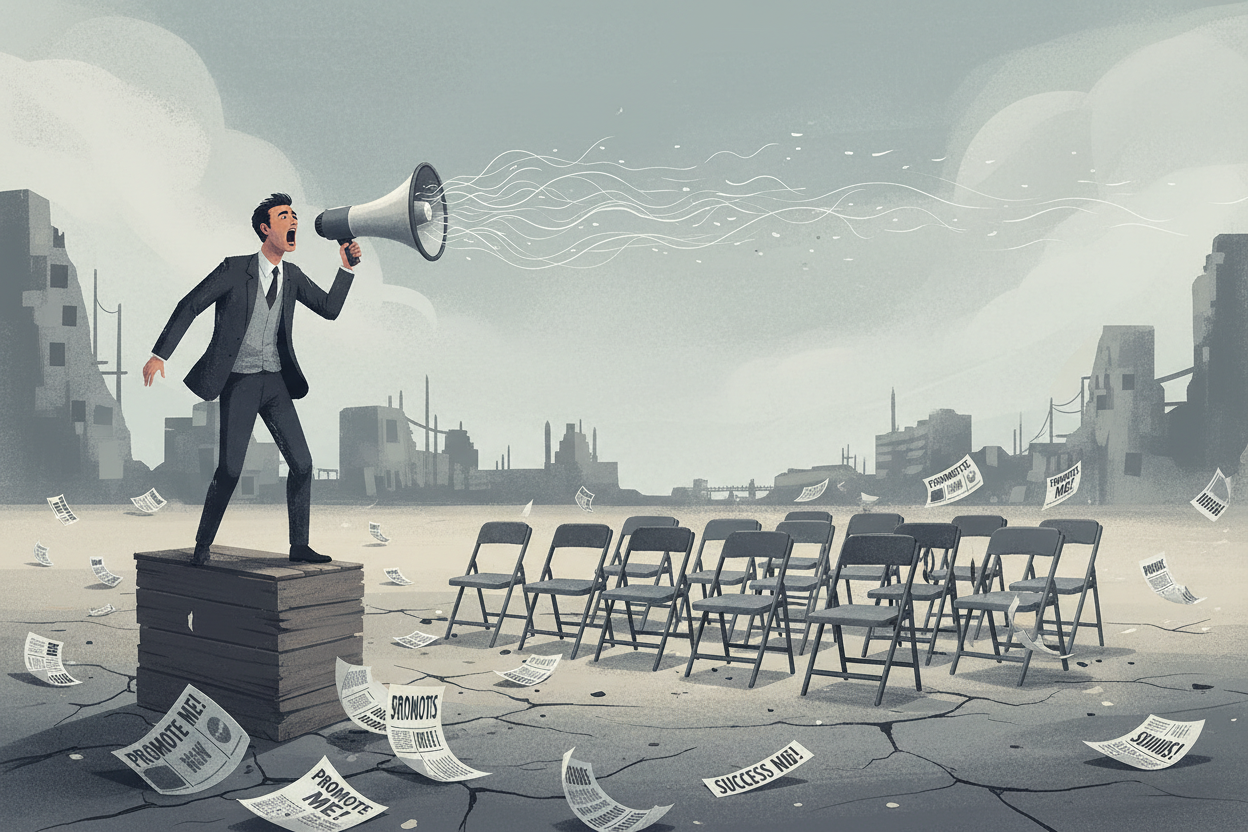
The paradox was clear: being indispensable can quietly trap you.
Sometimes problems persist—not because they can’t be solved, but because solving them gives someone a role, a purpose, a sense of importance.
The invitation wasn’t to stop caring.
It was to stop carrying.
Introducing Space Through Structure
To counter this, a simple framework was introduced: when someone brings a problem, they must also bring possible solutions.
Instead of reacting emotionally or reflexively, she could pause and redirect responsibility back to where it belonged. This wasn’t avoidance—it was empowerment.
Similarly, meetings didn’t need to be endless to feel productive. Shorter time limits, fewer participants, and clearer problem statements reduced unnecessary involvement and decision fatigue.
Boundaries weren’t about saying no to people.
They were about saying yes to sustainability.
Work, Relationships, and the Same Pattern Repeating
As the conversation widened, the parallels became impossible to miss.
The same impulse to manage, rescue, and fix at work was showing up in her personal life. Romantic relationships carried a familiar dynamic—one person struggling, promising growth, making incremental changes, while she waited for depth to arrive.
There were gestures. There was progress.
But something essential still felt missing.
She wasn’t confused about what was happening.
She was conflicted about what to tolerate.
Observation Over Intervention

A powerful reframe shifted the tone: not every situation requires intervention.
Sometimes the most grounded response is to observe—to let things unfold without stepping in to stabilize them. Discomfort doesn’t always mean danger. Chaos doesn’t always mean responsibility.
In work, this meant letting deadlines move or allowing others to feel the consequences of inaction.
In relationships, it meant resisting the urge to over-function or emotionally compensate.
Growth often requires space—not effort.
Stress, Energy, and the Body’s Signal
The conversation eventually returned to the body.
Chronic stress, adrenal fatigue, and nervous system overload aren’t just physiological—they’re signals. Indicators that something is being held too tightly for too long.
Self-regulation, rest, and support weren’t framed as indulgences, but as prerequisites for clarity. Without them, discernment blurs and boundaries erode.
Choosing Alignment Over Exhaustio
By the end, the takeaway wasn’t dramatic.
There was no ultimatum. No forced decision.
Just a quieter commitment:
– to pause before fixing
– to empower rather than rescue
– to let some trains go off the tracks
– to observe patterns instead of managing them
Control had once felt like safety.
Now, discernment was beginning to feel wiser.
For CK Collective, this story reflects a recurring truth:
real leadership—professionally and personally—emerges not from carrying everything, but from knowing what is truly yours to hold.

Share:
When the Old Life Stops Working
When Purpose Whispers Before It Speaks