CKC Blog

Build the Audience Before the Product: Startup Lessons From a Modular Cabin Business
The instinct when starting a business is to cast a wide net. Home builder. Cabin builder. Modular. Custom. All of the above. The problem is that "all of the above" is a positioning statement that means nothing to anyone.
The coaching advice here was clear: pick the cabin market specifically, own it completely, and let the boutique positioning do the work. Less competition. Clearer customer. Stronger brand. You can always expand later — but you can't build a memorable brand while trying to be everything.
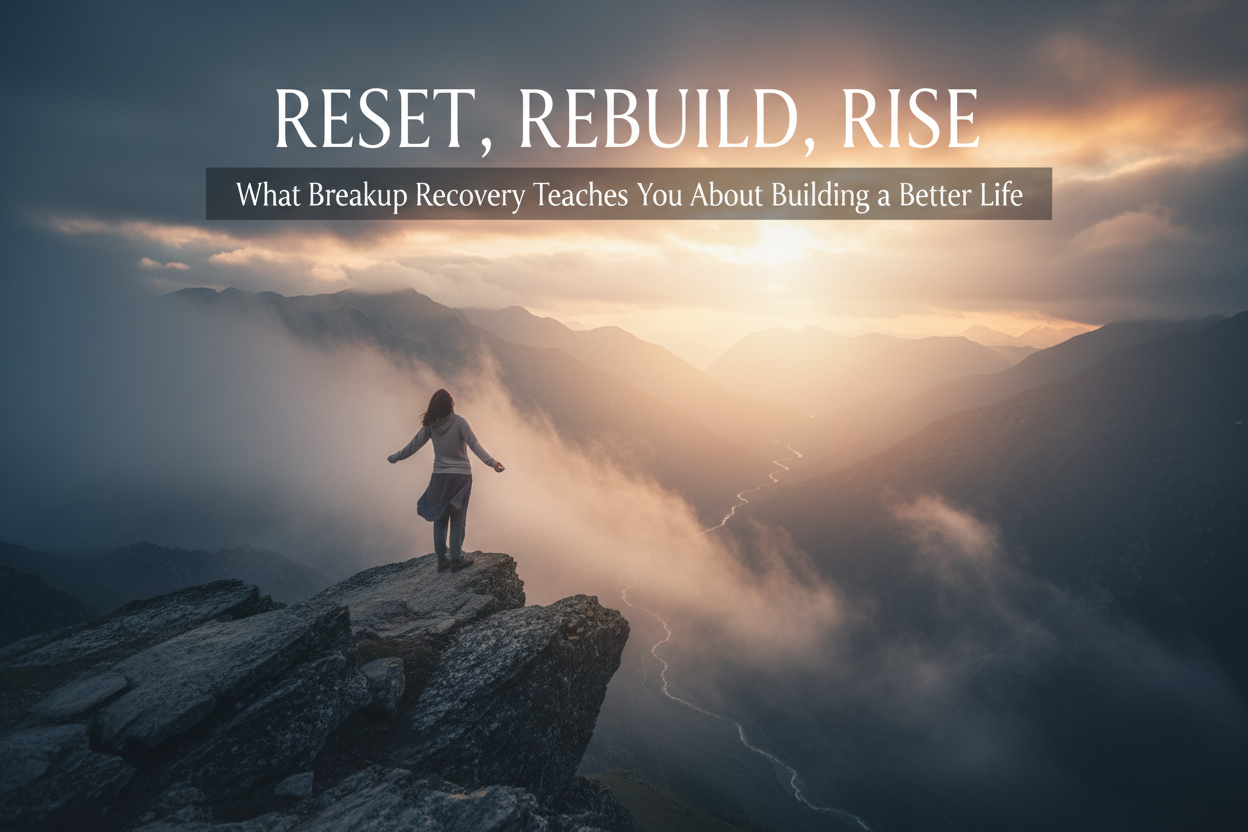
Reset, Rebuild, Rise: What Breakup Recovery Teaches You About Building a Better Life
The fear that an ex is moving on, the regret about what you could have done differently, the urge to reach out "just once more" — all of it is completely normal. The brain in grief behaves predictably. Knowing that doesn't make it hurt less, but it does make it less scary.

What Would You Tell the Version of You That Stayed Too Long?
You're still here. Still standing. Still growing.
And the life on the other side of that relationship? It's better than you let yourself believe it could be.

When Life Gets Loud: Lessons on Love, Boundaries, and Building While Healing
Unresolved relationship dynamics don't stay in your personal life. They show up in how you price your services, how you handle conflict with clients, how much you let yourself be seen. The person who can't set boundaries in dating is often the same person undercharging and over-delivering at work.
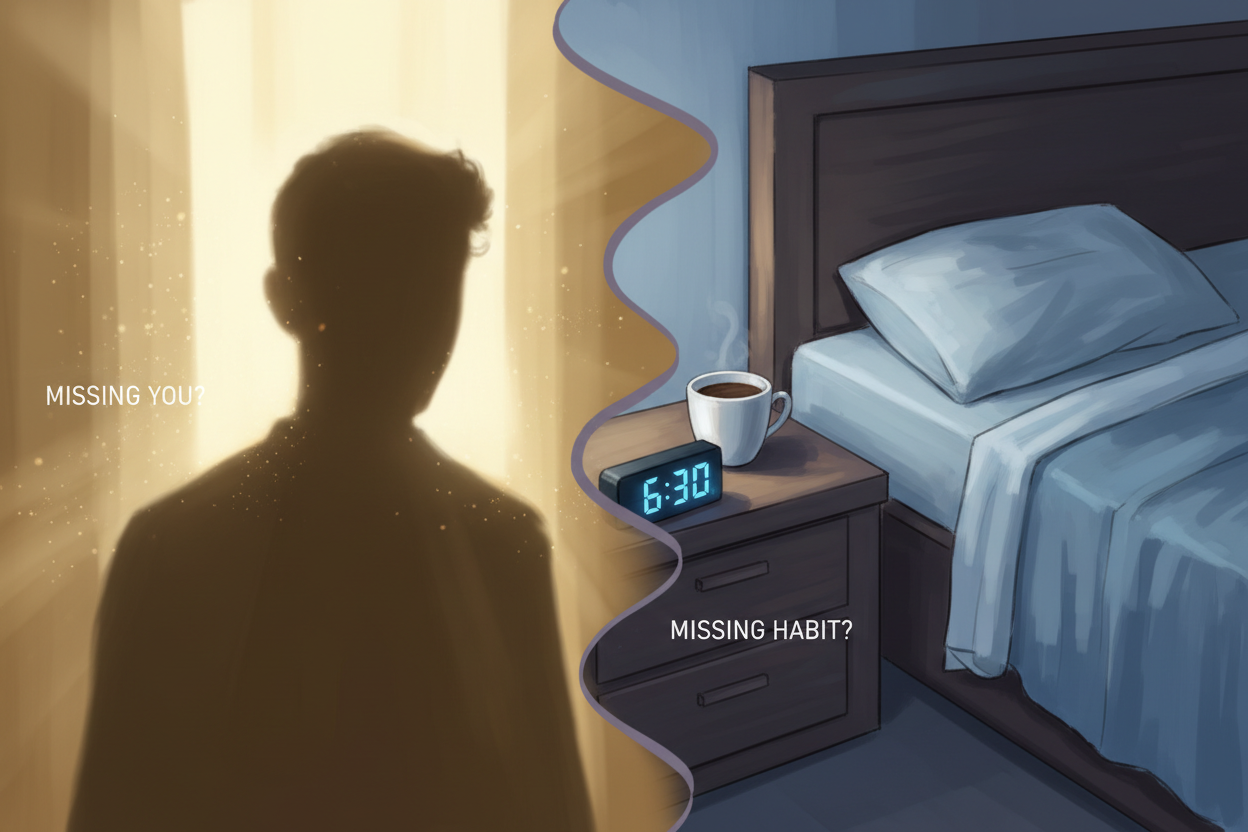
What's the Difference Between Missing Them vs. Missing the Routine?
Missing them is deeper. It's missing who they were to you at their best. The specific way they made you laugh. The things only they understood about you. The version of yourself you were when things were good.

The Long Road Back: What a 9-Year Relationship Ending Teaches You About Yourself
One of the most disorienting parts of a long-term breakup is the contradiction: you know, rationally, that moving forward is right — and you still want them back. People waste enormous energy trying to resolve that contradiction before they've actually processed the grief underneath it.
You don't have to pick one. Both things are true at once. The work isn't to choose the "right" feeling. It's to stop letting the tension between them paralyze you.

From Scattered Services to Strategic Agency: Lessons for Building a Business That Scales
If you could work deeply with a small number of clients at significantly higher fees, what would need to change in your positioning, packaging, and pricing to make that happen?

Are You Healing or Just Distracting Yourself?
It looks like journaling through the hard stuff instead of skipping it. Letting yourself cry without immediately calling someone to fix it. Asking yourself the difficult questions — and sitting with the answers even when they're uncomfortable.
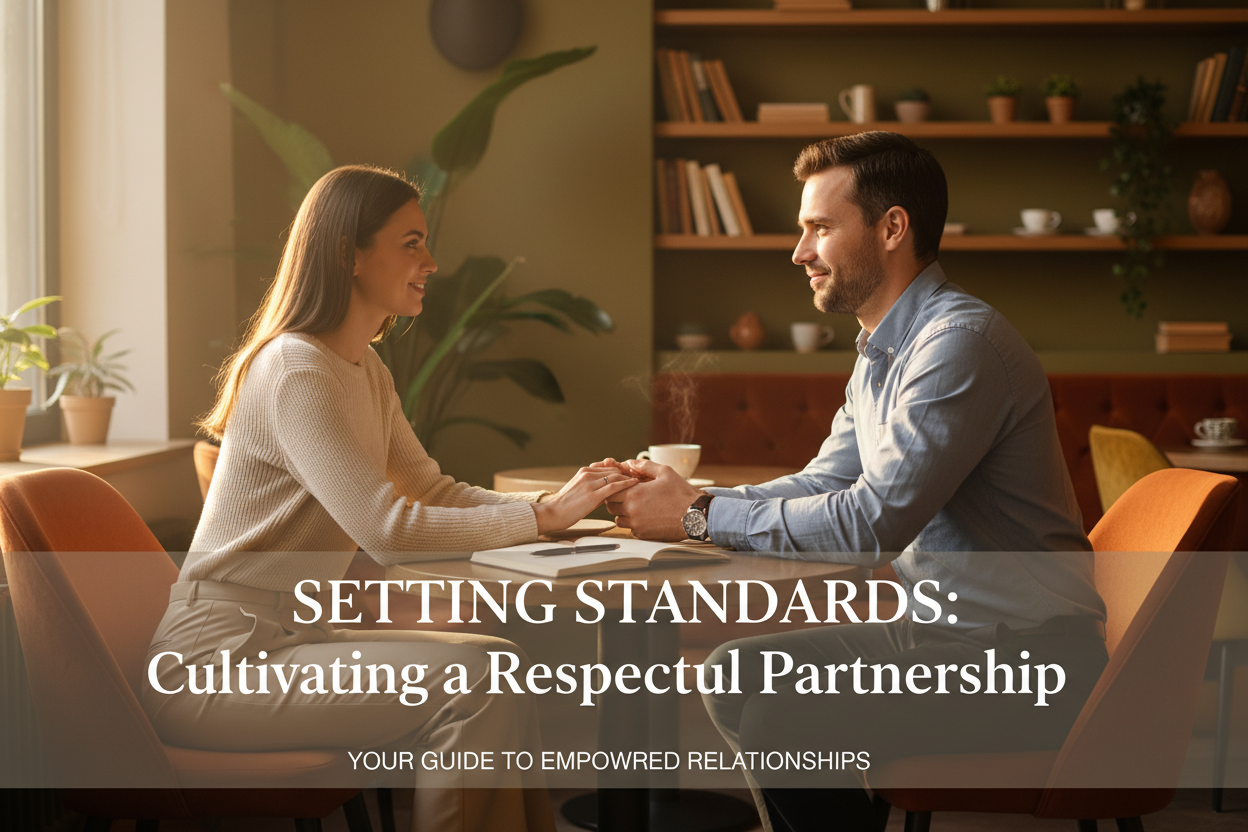
What Version of Yourself Did You Lose in That Relationship?
That joy isn't gone. It's waiting for the right environment to come back.