
One of the most common challenges after a short-term relationship ends is not the breakup itself, but the inability to maintain distance afterward. Even when someone genuinely wants to move on, they may find themselves repeatedly re-engaging, restarting emotional loops that delay healing.
This article explores why no contact often fails, what keeps people stuck in these cycles, and how to interrupt them effectively.
The Illusion of “Being Friends”
After a breakup, continued contact is often justified under the label of friendship. In reality, this dynamic usually serves as a regulation mechanism rather than a healthy connection.
When emotional attachment is still active:
-
Contact provides temporary relief from anxiety
-
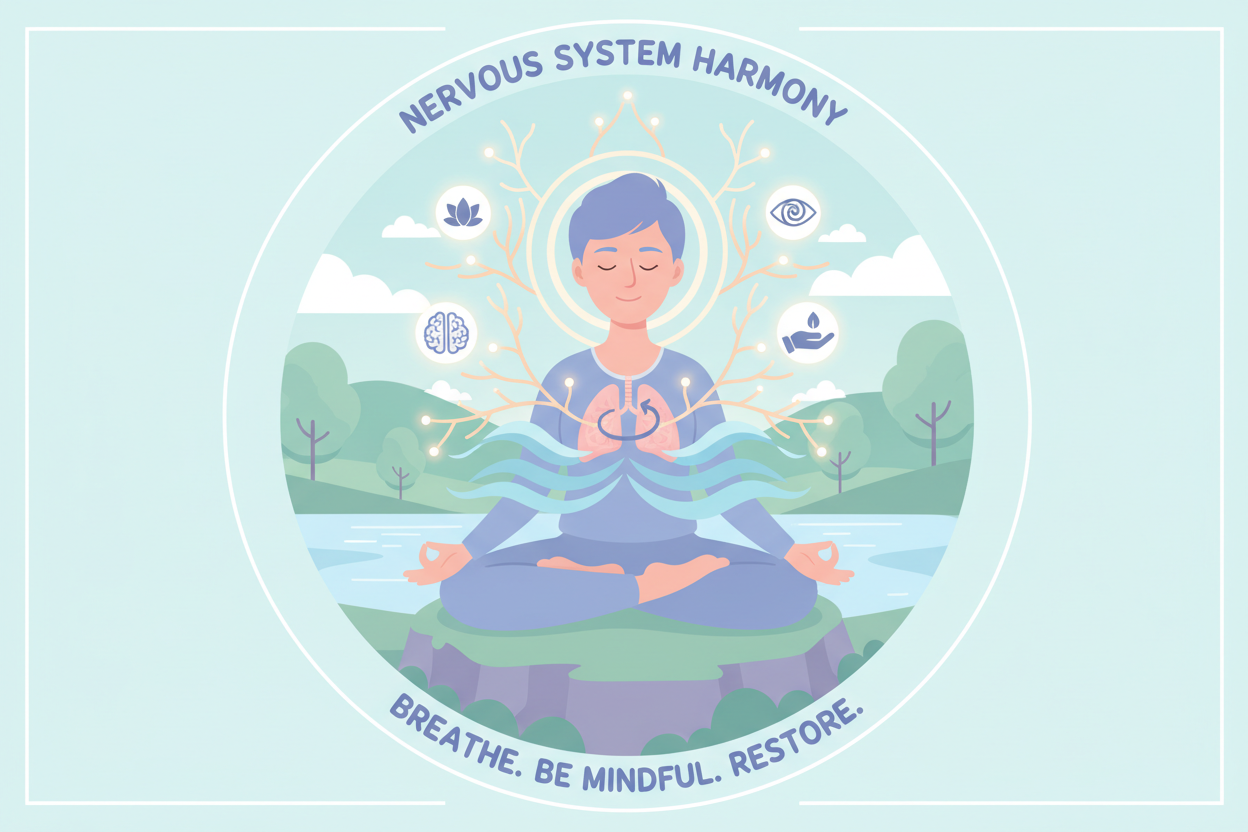
Familiar interaction soothes the nervous system
-
Separation triggers withdrawal-like symptoms
This creates a push-pull cycle where distance feels unbearable, leading to re-engagement, brief relief, and renewed disappointment.
Nervous System Attachment, Not Logic

Many people understand logically that a relationship is unhealthy or incompatible. However, logic alone does not override nervous system conditioning.
When attachment forms:
-
The body associates the person with safety or relief
-
Absence triggers discomfort, restlessness, or craving
-
Reaching out becomes an automatic response, not a conscious choice
Until the nervous system learns to self-regulate independently, no contact will feel unstable rather than empowering.
Why Partial No Contact Doesn’t Work
A common mistake is attempting “modified” no contact:
-
Leaving contact information available
-
Responding occasionally “to be polite”
-
Meeting under ambiguous terms
-
Keeping communication channels open “just in case”
These behaviors reinforce hope, maintain emotional dependence, and reset the attachment cycle—often around the same timeframe (commonly 5–7 days).
Healing requires clean breaks, not negotiated distance.
Removing Access to Break the Loop
One of the most effective interventions is removing easy access:
-
Deleting contact information
-
Blocking communication channels
-
Avoiding shared digital spaces
-
Eliminating reminders that trigger rumination
This is not punishment. It is environmental design—reducing temptation so regulation can occur naturally.
Truth-Seeking as an Attachment Trap
Many individuals remain stuck because they are fixated on unanswered questions:
-
Was there someone else?
-
Was any of it real?
-
Why won’t they admit the truth?
While framed as a desire for closure, this behavior often masks an attempt to stay emotionally connected. When honesty has already been absent, seeking further explanation rarely produces relief—it prolongs attachment.
Closure comes from behavioral acceptance, not verbal confirmation.
Intuition vs. Hope
In many cases, intuition has already provided clarity:
-
Inconsistency
-
Dishonesty
-
Last-minute cancellations
-
Avoidance of accountability
Hope, however, competes with intuition by selectively focusing on positive memories or potential outcomes. Healing requires trusting patterns over possibilities.
Breaking the Seven-Day Cycle
A critical milestone in detachment is surpassing the familiar relapse window. Making it beyond this point:
-
Introduces a new nervous system experience
-
Weakens the automatic urge to reach out
-
Builds evidence of self-trust
Each additional day reinforces independence and emotional regulation.
Distraction Without Attachment
Temporary distraction can be helpful when used intentionally. Low-stakes activities—such as casual browsing or non-committal social engagement—can redirect focus without creating new emotional dependencies.
The goal is not replacement, but space.
Recognizing Unhealthy Relationship Patterns
Repeated engagement with unavailable or dishonest partners often reflects a deeper pattern:
-
Tolerating inconsistency
-
Confusing intensity with connection
-
Over-functioning to maintain proximity
Awareness of these patterns is a turning point. Change begins when standards replace hope.
The Core Lesson: Regulation Before Reconnection
No contact is not about willpower—it is about retraining the nervous system. Until regulation is internal, contact will feel necessary.
True detachment occurs when:
-
Actions align with stated intentions
-
Boundaries are enforced without negotiation
-
Self-respect outweighs momentary relief
When the cycle is finally broken, clarity follows—and with it, the capacity for healthier relationships.
At CK Collective, the work is not about avoiding connection—it’s about learning to choose it from a place of stability, not attachment.


Share:
Rebuilding Momentum After a Setback: The Power of Cornerstone Habits
Choosing Yourself: Boundaries, Detachment, and Personal Growth During Life Transitions