
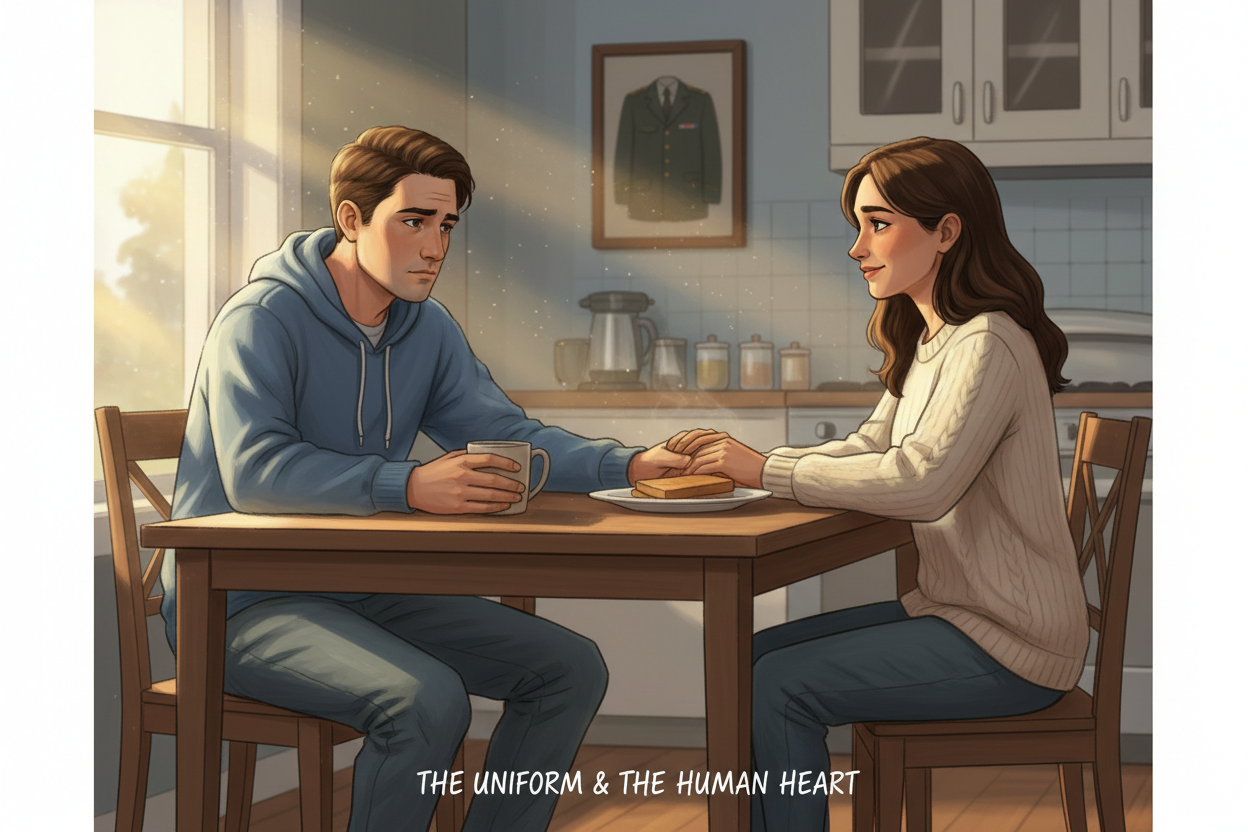
Relationships do not exist in a vacuum. When trauma—especially unresolved trauma—enters a marriage, it often reshapes communication, trust, and emotional safety in ways neither partner fully understands.
In a recent therapeutic conversation, a married woman shared ongoing struggles with her partner, including resentment, emotional withdrawal, and trust issues rooted in both military trauma and past infidelity. The discussion revealed how chronic stress and survival-based nervous system responses can quietly erode even well-intentioned relationships—and how intentional structure can begin to restore them.
Resentment and Mixed Signals in Long-Term Relationships
One of the most confusing dynamics described was a partner who verbally expressed resentment about being “forced” into marriage, despite having chosen it himself. At the same time, his actions told a different story: providing financially, being present as a parent, and maintaining outward stability.
This contradiction created emotional dissonance. Friends struggled to understand the situation because the behavior didn’t match the narrative. This misalignment often leaves partners questioning their reality, unsure whether to trust words or actions.
The key takeaway: actions matter, but unresolved emotional narratives still require attention.
How Military Trauma Affects Civilian Relationships

Both partners came from military backgrounds, which introduced an additional layer of complexity. Military conditioning prioritizes vigilance, threat detection, and emotional suppression—skills that keep people alive in combat but can strain intimacy at home.
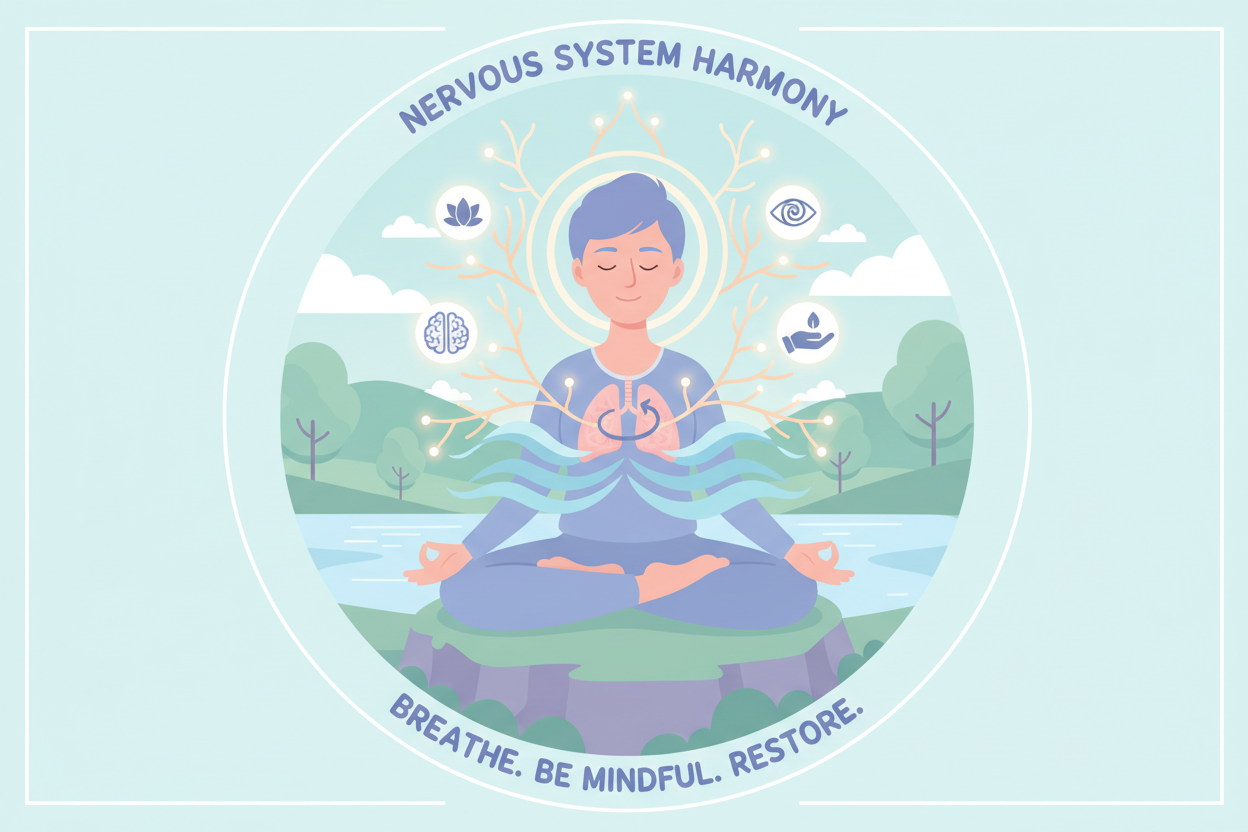
Chronic exposure to stress keeps the nervous system locked in fight-or-flight mode. Over time, this can impact focus, emotional regulation, and relational availability. Logical reasoning becomes harder to access as the brain defaults to survival responses.
Transitioning from high-stress environments into emotionally vulnerable relationships often requires deliberate nervous system retraining—not just communication skills.
Supporting a Partner With PTSD Without Losing Yourself
One of the most important insights discussed was how to support someone with PTSD without unintentionally escalating their defenses.
Key principles included:
-
Creating emotional safety rather than trying to “fix” them
-
Allowing emotional expression without interruption or correction
-
Understanding that people may show up differently at work than at home
Home must become a place of decompression, not interrogation. Safety—not pressure—is what allows trauma responses to soften.
Healing Trust After Infidelity Trauma
Past infidelity left deep imprints on the nervous system, even years later. While forgiveness had been intellectually processed, the body continued to react as if danger were imminent.
Suspicion, hypervigilance, and monitoring behaviors were not signs of distrust—they were signs of a nervous system trying to prevent future pain.
The work, then, wasn’t about controlling the partner—it was about teaching the body that it no longer needed to stay on high alert.
A powerful practice introduced was learning to “ride the wave”—allowing suspicion or anxiety to rise and fall without immediately reacting. Over time, this retrains the nervous system to distinguish between intuition and fear.
The Role of Accountability and Self-Reflection
Rather than placing all responsibility on the relationship, accountability was reframed as mutual self-awareness. This included recognizing personal behaviors that might contribute to withdrawal or defensiveness and taking ownership without self-blame.
Healing relationships doesn’t require perfection. It requires curiosity, responsibility, and the willingness to pause instead of react.
Why Regular Relationship Check-Ins Matter
One of the most practical tools discussed was implementing regular relationship check-ins—structured, predictable conversations focused on alignment rather than conflict.
These check-ins might include:
-
Rating the relationship weekly
-
Identifying what felt supportive or difficult
-
Discussing small adjustments rather than major grievances
Much like post-game reviews in sports, these conversations reduce emotional buildup and prevent resentment from festering in silence.
Building Safety Through Structure
Trust is not rebuilt through surveillance, reassurance-seeking, or emotional testing. It is rebuilt through:
-
Predictable communication
-
Clear boundaries
-
Safe emotional expression
-
Consistent follow-through
Structure creates safety. Safety allows connection.
Final Reflection
Trauma-informed relationships require more than love—they require understanding how the nervous system, past experiences, and chronic stress shape behavior.
When partners shift from reacting to regulating, from accusing to understanding, and from chaos to structure, trust can slowly return.
Healing doesn’t happen all at once. It happens in small moments of restraint, honest conversation, and choosing safety over fear.
And over time, those moments compound into something stronger than survival: connection.


Share:
When Words and Actions Don’t Match: A Framework for Boundaries, Clarity, and Self-Trust
Rebuilding Momentum After a Setback: The Power of Cornerstone Habits