
Modern relationships often fail for one simple reason: misalignment between words and actions. In a recent coaching conversation, this disconnect became the central theme—particularly within the context of an inconsistent romantic dynamic and the broader need for personal structure.
Rather than focusing on blame or emotional reaction, the session explored how clarity, boundaries, and systems can restore self-trust and forward momentum.
The Cost of Inconsistency in Relationships
One individual shared frustration with a romantic connection marked by sporadic communication and emotional unavailability. While intentions were often verbalized, behavior failed to follow. This created confusion, anxiety, and a subtle erosion of self-respect.
The key insight offered was direct:
If someone’s behavior would be unacceptable in a professional setting, it should not be tolerated in a personal one.
Inconsistency is not a mystery—it is information.

Boundaries Are Not Ultimatums—They’re Filters
Rather than chasing clarity from the other person, the focus shifted inward: setting boundaries that protect time, energy, and emotional well-being.
A practical strategy was discussed:
-
Communicate a clear boundary once
-
Step back and observe behavior
-
Allow actions—not promises—to determine access
Choosing to disengage until circumstances stabilize is not punishment; it’s alignment. When boundaries are clean, the outcome becomes irrelevant—either the person rises to meet them, or space is created for something better.
Applying Professional Standards to Personal Life
An interesting parallel emerged between career success and relationship standards. In high-performing professional environments, expectations are explicit, timelines are respected, and accountability is non-negotiable.
The question posed was simple:
Why abandon those same standards in intimate relationships?
Clear communication, defined roles, and follow-through are not cold or rigid—they’re respectful.
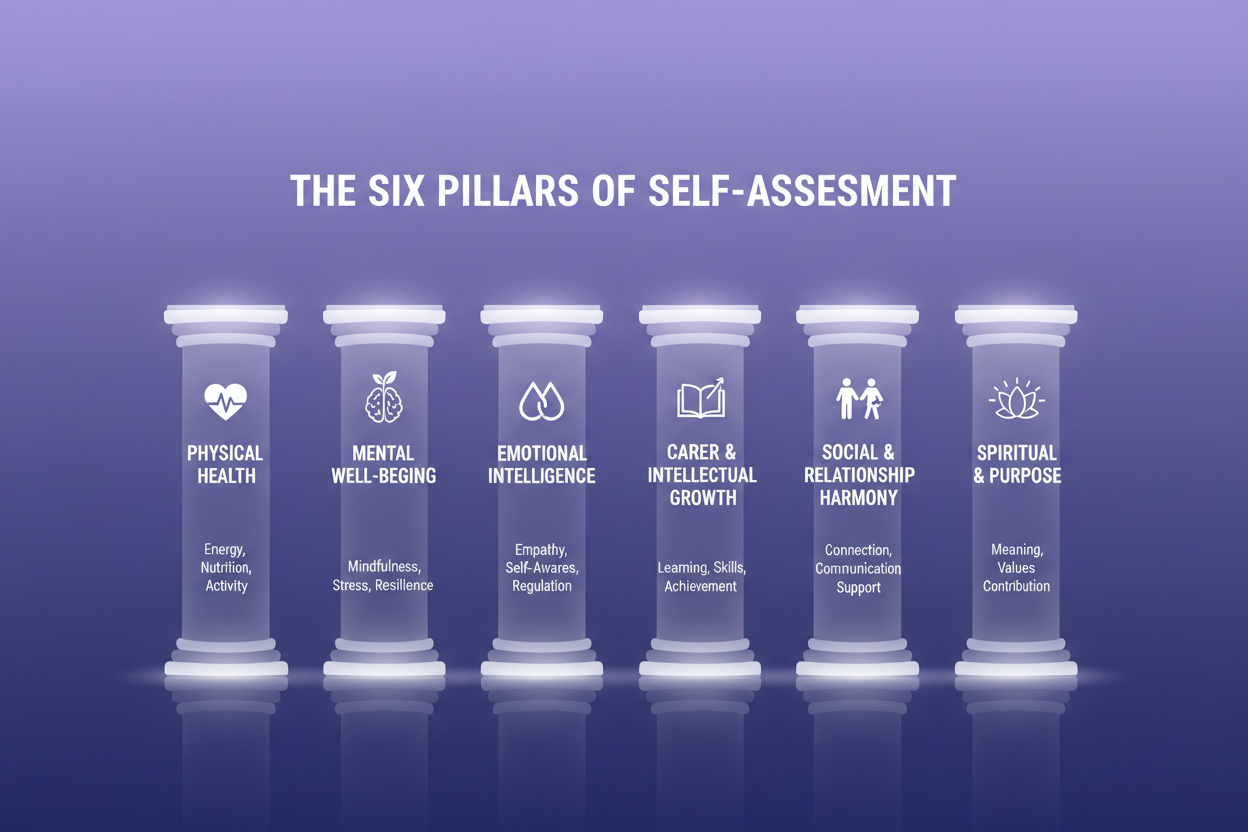
The Six Pillars of Self-Assessment
To bring structure to personal growth, a self-assessment framework was introduced across six core areas:
-
Mental
-
Physical
-
Emotional
-
Spiritual
-
Academic
-
Financial
Each category was rated on a scale from 1 to 10, followed by a single action to raise each score by one point that week. The goal wasn’t perfection, but incremental alignment.

This exercise revealed a powerful truth: people often overestimate certain areas when emotions are high and underestimate others that require maintenance.
Learning From the Past Without Living in It
Another foundational exercise involved reflecting on past relationships—not to relive them, but to extract data.
The process:
-
Write down 100 lessons learned from previous relationships
-
Identify the most important recurring patterns
-
Translate those lessons into personal boundaries
Boundaries were then organized across the same six life categories, removing emotion from decision-making and replacing it with clarity.
Protocols Remove Emotional Guesswork
Boundaries alone are not enough—protocols matter.
A boundary defines what is acceptable.
A protocol defines what happens when it’s crossed.
By writing these down, individuals reduce reactive behavior and eliminate internal debate in emotionally charged moments. The response is already decided in advance.
This system-based approach transforms relationships from emotional roller coasters into predictable, grounded experiences.
Choosing Yourself Is Not Selfish
A recurring theme throughout the conversation was self-selection. Instead of waiting, hoping, or holding emotional space for someone unavailable, the healthier choice is often to step back and continue building one’s own life.
Choosing yourself does not close doors—it clarifies which ones were never solid to begin with.
Final Takeaway
Healthy relationships require:
-
Clear boundaries
-
Aligned words and actions
-
Personal standards that don’t change under pressure
When individuals build structure within themselves—mentally, physically, emotionally, and spiritually—they stop negotiating with uncertainty.
The result isn’t just better relationships.
It’s stronger self-trust, cleaner decisions, and a life that feels internally consistent.
And that clarity changes everything.


Share:
Path Correction: How Small Daily Shifts Create Massive Personal Growth
When Trauma Enters a Marriage: Rebuilding Trust, Safety, and Communication